
What does Greek Mediterranean dining actually mean?
Greek Mediterranean dining usually means food shaped by the climate, the coast, and the rhythm of everyday eating. It is not a single rigid style. It can include lighter plates, cooked dishes, seafood, grilled meat, vegetables, salads, appetizers, and desserts, depending on the restaurant and the season.
What connects these meals is balance. A Greek Mediterranean table often feels colorful, generous, and flexible. It can work for a quick lunch, a longer dinner, a family meal, or a relaxed evening with friends.
The food is usually familiar enough to feel comfortable, but varied enough to let each person at the table choose their own direction. That is one reason this style of dining suits travelers so well.
A table built around sharing
One of the easiest ways to understand Greek Mediterranean dining is to think of the table as shared space. The meal does not always need to follow a strict starter, main course, dessert pattern. It can begin with appetizers, salads, or smaller plates placed in the middle, then continue with individual dishes or more shared choices.
This creates a more relaxed meal because no one has to decide everything at once. A group can start lightly, see what feels right, and let the meal build naturally.
Sharing also makes the experience more social. People talk about what to order, pass plates around, taste different things, and create a meal that feels less formal than everyone eating separately.
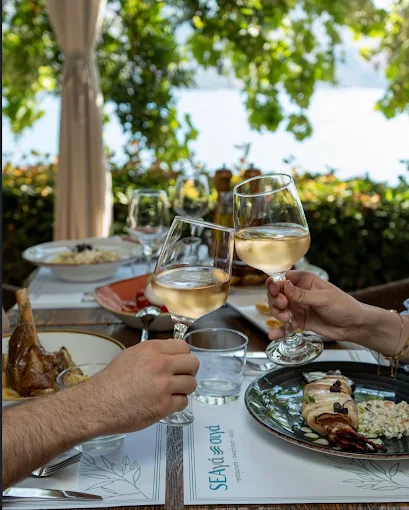
How should you order when you want variety?
When you want variety, it helps to think in layers. Start with something fresh or simple for the table, then add dishes that bring more substance. This could mean balancing lighter options with something grilled, cooked, or seafood-based, depending on what the restaurant offers.
The goal is not to order too much immediately. Greek Mediterranean dining often works best when the table has contrast: something fresh, something warm, something satisfying, and something that suits the setting.
For couples, this might mean sharing a few plates and choosing one or two fuller dishes. For families, it may mean mixing familiar options with lighter sides or salads. For groups, variety helps everyone find something they enjoy without making the meal feel complicated.
Food that fits the coast
Greek Mediterranean food feels especially natural near the sea because it can be both refreshing and satisfying. In warm coastal places, many guests do not want a meal that feels too heavy during the day. They want food that works with the weather, the view that will change the meal, and the pace of the holiday.
That is why coastal menus often appeal to different appetites. Someone may want a lighter lunch after swimming, while someone else may prefer a fuller dinner after a long day. The same style of cuisine can support both.
Seafood and coastal cooking
Seafood is often part of the expectation when dining close to the water. It connects the meal to the coast and gives guests a way to enjoy flavors that feel appropriate to the setting.
Grilled dishes and simple flavors
Grilled dishes are a natural fit for Greek Mediterranean dining because they are direct, satisfying, and easy to pair with other plates. They can make the meal feel complete without needing to be overly rich.
Vegetables, salads, and lighter choices
Vegetables and salads are important because they bring freshness to the table. They also make the cuisine more flexible for guests who want something lighter, vegetarian, or easier to share.
Greek Mediterranean dining works best when the table feels flexible, generous, and suited to the people sitting around it.
What should you choose when the group has different tastes?
Greek Mediterranean dining works well for mixed groups because it does not force everyone into the same kind of meal. One person can choose seafood, another may prefer grilled dishes, while someone else might want salads, appetizers, or vegetarian options.
This flexibility is useful for families, couples, and groups of friends. It also helps when people are dining at different levels of hunger. After a beach day, one person may want something light, while another may be ready for a full meal.
A good approach is to choose a restaurant with enough variety for the table to feel comfortable. You do not need an overly long menu, but you do need a menu that gives different guests a clear path to a meal they will enjoy.
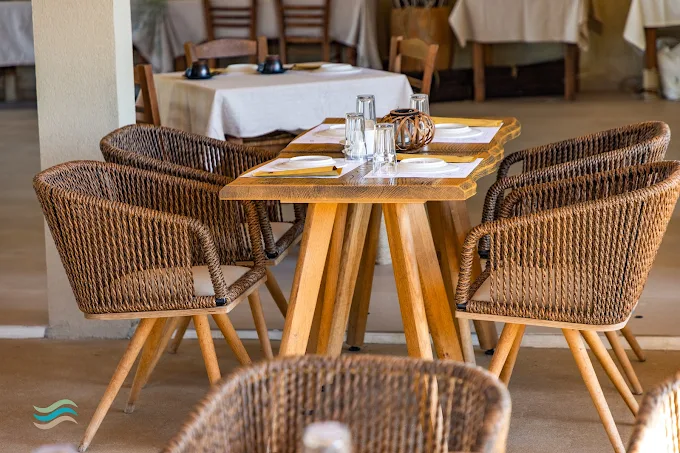
How can a menu tell you what kind of restaurant it is?
A menu can tell you a lot before you visit. It shows whether the restaurant is more casual or more refined, whether it suits lunch or dinner, and whether it offers enough variety for your group.
Look at the balance of the menu rather than searching for one perfect dish. Does it offer lighter choices as well as fuller meals? Does it include options that suit the coast? Does it feel appropriate for the kind of experience you want?
For a seaside restaurant, the menu should feel connected to the setting. It should make sense for warm weather, relaxed dining, and the possibility of lingering at the table.
Before choosing a Greek Mediterranean restaurant
Before choosing a Greek Mediterranean restaurant, think about the meal you actually want. Are you looking for something light and easy, a longer shared meal, a family-friendly table, or a relaxed dinner by the coast? The right choice depends on the moment as much as the menu.
In Plataria, this style of dining fits naturally with the Ionian setting. SEAγά-σιγά at Plataria Seaside Resort offers Greek and Mediterranean à la carte dining in a relaxed seaside environment close to the beach, pool, and bar. To understand the current restaurant style before visiting, you can view the Plataria Seaside Resort restaurant page and use it to plan a meal that suits your day.